Parts Experts
 Fast Shipping
 Aussie Owned
 Best Prices






















Cold Air Intake vs Short Ram Intake: What's Actually Better?
An intake upgrade is one of the first modifications most enthusiasts bolt on. It's affordable, easy to install, and delivers instant results in both sound and throttle response. But once you start shopping, you're faced with two fundamentally different designs: cold air intakes and short ram intakes. Both replace your factory airbox, but they go about it in different ways with different trade-offs. Here's the honest breakdown.
How Each Type Works
Cold Air Intake
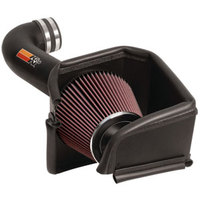
A cold air intake (CAI) routes the air filter away from the engine bay heat, typically down towards the front bumper, into a fender well, or towards the bottom of the engine bay. The idea is straightforward: the further you get from the hot engine, the cooler and denser the incoming air. Cooler air contains more oxygen per unit volume, which means a better air-to-fuel ratio and more combustion efficiency.
Cold air intakes use longer, more elaborate tubing to reach their low-mounted filter position. Most quality setups include a heat shield or fully enclosed airbox to isolate the filter from underbonnet heat.
Short Ram Intake
A short ram intake (SRI) takes the opposite approach. It keeps the filter within the engine bay, usually mounted close to the throttle body for the shortest, most direct path. The goal is to minimise restriction and maximise airflow velocity, accepting the compromise of higher air temperatures.
Short ram intakes are simpler, cheaper, and easier to install. They typically produce a more dramatic induction sound because the filter sits closer to the cabin and the intake path is shorter. The trade-off is that the filter lives in a hot engine bay, which can cause heat soak, especially after hard acceleration or in stop-and-go traffic.
Performance Data: What Are Realistic Gains?
Let's be honest: intake gains are real but modest on naturally aspirated engines. Typical dyno results for a street-driven NA car range from 3 to 10kW at the wheels, depending on the platform and how restrictive the factory airbox was. Some vehicles, particularly those with notoriously restrictive OEM setups, can see closer to 10 to 15kW.
On forced induction vehicles (turbocharged or supercharged), the story changes. A less restrictive intake reduces turbo inlet restriction, allowing the turbo to build boost more efficiently. Combined with a tune, intake gains on turbocharged cars can reach 10 to 20kW, particularly on platforms where the factory intake was a known bottleneck.
Cold air intakes generally outperform short ram intakes under sustained high-load conditions like long highway pulls or track use, because a consistent supply of cool, dense air maintains combustion efficiency. Short ram intakes can match or even edge ahead of a CAI in short bursts when the engine bay hasn't had time to heat soak. Over extended high-RPM use, however, the CAI wins out.
Sound Difference
Both intake types deliver a noticeable improvement in induction sound over the factory airbox, producing that distinctive intake roar under acceleration that enthusiasts love. The character does differ between the two:
- Cold air intake: The longer intake path and enclosed design tends to produce a deeper, more baritone induction tone. The sound is present but often more refined and less raspy.
- Short ram intake: Louder and more immediate. The filter's proximity to the cabin and the shorter path produces a more aggressive, high-frequency intake noise. If you want to hear every blip of the throttle, an SRI delivers more theatre.
Neither is objectively better. It comes down to personal preference. Most enthusiasts who prioritise performance sound prefer the CAI's tone, while those who want maximum aural drama tend to reach for the SRI.
Heat Soak: A Real Concern
Heat soak is the primary argument against short ram intakes in Australian conditions. When you're driving hard on a summer's day in Queensland or sitting in Sydney traffic, underbonnet temperatures can climb dramatically. An SRI filter sitting in a 60 to 80°C engine bay is pulling in significantly hotter air than the ambient outside temperature, reducing air density and undermining the performance benefit.
Cold air intakes largely avoid this problem by positioning the filter away from heat sources. Many quality CAI systems also include heat shielding to prevent radiated engine heat from reaching the filter.
That said, some cold air intakes carry their own risk: hydrolocking. If the filter is positioned too low and encounters standing water, whether from creek crossings, deep puddles, or heavy flooding, water can be drawn into the engine with catastrophic results. Most quality CAI designs include bypass valves or position the filter high enough to mitigate this risk, but it's worth checking for your specific application before committing.
Best Intakes by Brand
AEM Induction
AEM is one of the most trusted intake brands in Australia. Their Cold Air Induction System uses a heat-resistant tube with a Dryflow synthetic filter that requires no oil, eliminating the risk of MAF sensor contamination. AEM intakes are available for a wide range of JDM and domestic vehicles, and their Brute Force HD intake is particularly popular for 4WD and truck applications.
Recommended for: Honda Civic, Subaru WRX, Nissan 350Z/370Z, Mitsubishi EVO. Strong platform coverage for Australian market vehicles. Browse AEM intakes.
aFe Power
aFe (Advanced Flow Engineering) produces some of the highest-flowing intakes on the market. Their Momentum GT and Takeda series use progressive web dry media filters that balance exceptional filtration with airflow performance. aFe intakes are a popular choice for performance-focused builds where maximum flow is the priority. Their diesel intake options for common Australian utes including the Hilux, Ranger, and Triton are also excellent.
Recommended for: Turbocharged petrol applications, diesel utes, American muscle platforms. Browse aFe intakes.
Airaid
Airaid is well known for their SynthaFlow oiled filters and comprehensive intake systems for American and Australian trucks. Their MXP Series intakes are particularly popular for the Holden Colorado, Ford Ranger, and Jeep Wrangler, offering solid filtration alongside a noticeable improvement in induction sound. Airaid's cold air systems include good heat shielding for effective engine bay thermal management.
Recommended for: 4WD and ute applications, American platforms. Browse Airaid intakes.
Injen
Injen has built a strong reputation in the JDM community in particular. Their SP series cold air intakes feature polished aluminium tubing paired with a SuperNano-Web dry filter, and their platform-specific engineering delivers excellent fitment on Japanese performance cars. Injen intakes consistently perform well on the dyno, especially on Honda, Subaru, and Mitsubishi platforms that are common in Australia.
Recommended for: Honda (Civic, Integra, S2000), Subaru (WRX, BRZ), Mitsubishi (EVO, Eclipse). Browse Injen intakes.
K&N Filters
K&N is arguably the most recognised name in aftermarket filtration worldwide, and for good reason. Their high-flow cotton gauze filters and intake systems have been a staple of the performance scene for decades. K&N intakes are available for an enormous range of vehicles, making them one of the easiest brands to source for Australian applications. Their reusable, washable filter design keeps running costs low over the life of the vehicle.
Recommended for: Broad vehicle compatibility across JDM, European, and domestic platforms. An excellent choice for enthusiasts who want a proven, no-fuss upgrade. Browse K&N intakes.
Process West
Process West is an Australian brand with strong roots in the Subaru performance scene, making them a particularly relevant choice for local enthusiasts. Their intake systems are engineered with Australian conditions in mind and pair well with common bolt-on modifications on the WRX and STI platform. Process West products are designed and developed locally, which means fitment and parts support are well suited to right-hand-drive vehicles and Australian driving conditions.
Recommended for: Subaru WRX and STI builds, Australian-market vehicles where local engineering support matters. Browse Process West intakes.
So: Cold Air or Short Ram?
For most Australian drivers, a quality cold air intake is the better choice. It delivers more consistent performance across a range of driving conditions, handles summer heat more effectively, and typically offers slightly better power gains on a sustained basis. The extra complexity of routing is worth it for daily and performance use alike.
Short ram intakes make sense when packaging constraints prevent a full CAI setup, or when you prioritise an aggressive intake sound over sustained thermal performance. On a dedicated track car where the bonnet is vented and ambient temperatures are better controlled, an SRI can work very well.
Either way, choose a quality brand. A cheap no-name intake that allows dirty air past its filter media can cause MAF sensor damage and engine wear, costing far more in the long run than a quality unit ever would.
Shop Cold Air Intakes → carmodsaustralia.com.au/engine/air-induction/cold-air-intakes/