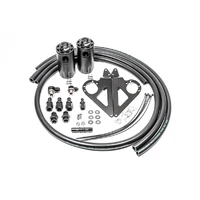
























SKU: 20-0024

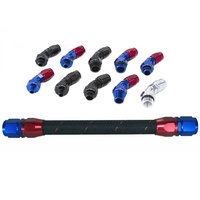
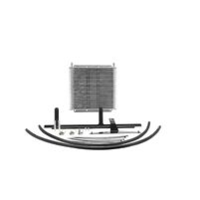
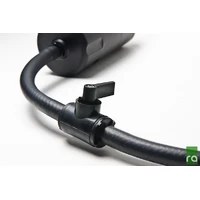
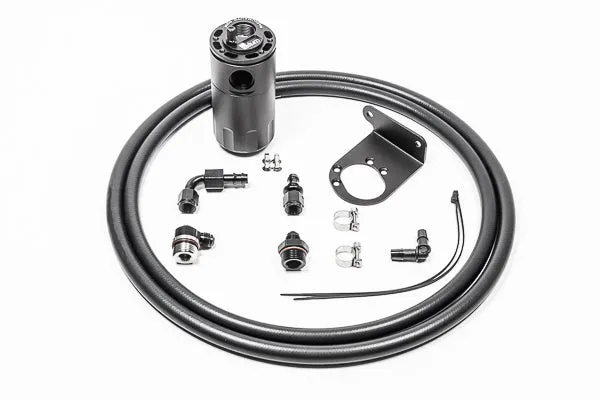
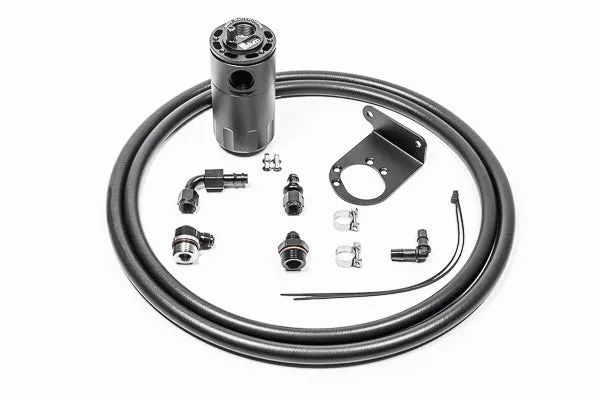
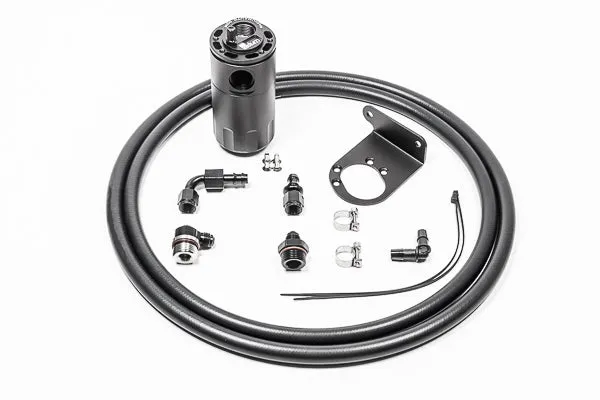
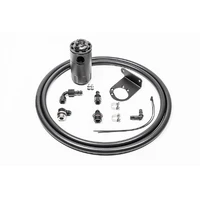
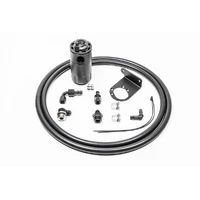
Universal Catch Can Petcock Drain Kit - Single Application
1 Available at Supplier DC
$52.99
Universal
 Parts Experts
 Fast Shipping
 Aussie Owned
 Best Prices
 Australia's largest online performance parts store

Shop now. Pay later. Pay in 4.
or 4 payments of $91.75 with Afterpay. More info

Enjoy Now, Pay Later
SKU: 20-0565-FL
If you're looking for something in particular, we can help. Drop us a line using the button below.
Submit A RequestThe catch can draws out oil and water condensation from the crankcase gasses that would otherwise be drawn into the intake manifold. This prevents oil buildup in the intake, intercooler system walls, throttle body, and intake manifold. This effectively raises the octane, can increase engine performance from cleaner inlet air, and can lower hydrocarbon emissions. The closed system prevents unwanted oil vapors from entering into the cabin. Catch can kits include everything needed for a complete installation.
In 2022, Radium Engineering implemented a revolutionary design change to the 7 fluid ounce standard catch can. An inherent problem always existed with typical catch cans when not serviced regularly. The fluid contaminants will eventually leave the reservoir pouring into the air intake system causing poor engine performance. To resolve this issue, Radium created the Fluid Lock Catch Can. This contains a patented mechanism that prevents the reservoir from overfilling and traps the collected fluids until it is emptied.
The rate that your catch cans will collect oil and moisture contaminants will vary from one individual vehicle to the next, so there is no set emptying interval. PCV catch cans tend to collect more than CCV catch cans. You should check the level of your catch can using the integrated dipstick starting at 3-4 weeks of driving and repeat as needed to determine how often they should be emptied based on what you see.
Catch cans can be emptied by unscrewing the lower reservoir and removing it from the vehicle to dump out, or in cases where there is available space under the catch can, the Petcock Drain Kit can be installed and used to drain them.
In cases where oil collection is excessive you may have to address an issue with the engine. The reasons a catch can will collect an excess of oil include
The PCV kit mounts near the brake master cylinder in the back of the engine bay and interfaces with the hose that goes from the PCV valve on the engine to the intake manifold (vacuum).
NOTE: The PCV kit is NOT directly compatible with 08-11 GT-Rs which did not have an OEM strut bar.
The PCV catch can kit runs inline between the PCV valve and the intake manifold. It mounts in the LH side engine compartment.
When the intake manifold pressure is close to or greater than atmospheric pressure, the PCV "check" valve closes and, thus, this hose experiences no flow. Conversely, the PCV hoses will experience "metered" vacuum when the engine is idling, steady state cruising, and decelerating. This would normally draw unwanted crankcase vapor, unspent fuel, and oil sludge into the intake manifold immediately after a high load run. This catch can will intercept the oil and other blow-by liquids and prevent them from entering the intake manifold. The catch can must be emptied periodically.
NOTES
INCLUDES
The 20-0555 crankcase vent kit mounts on the front of the engine and interfaces with the breather lines coming off of the heads and going to the turbo intake piping. This kit contains two catch cans (one for each head breather).
When deciding which kit (or kits) to purchase, it is important to remember that both kits working together offer the most protection from oil ingestion into the engine. The PCV side kit is effective at keeping oil out of the intake manifold when the PCV valve is open, such as during light cruising, idle, etc. When in boost, the PCV valve closes and all the engine blow-by comes out of the head breathers. This is a good reason to have catch cans on the crankcase breathers.
At low loads, these catch cans experience atmospheric pressure. However, when the engine is at high load (WOT), these vents will experience high flow out of the crankcase. This would normally lead to oil and sludge accumulation in the air filter intake pipe. Oil accumulation will occur in the intercooler which lowers the thermal efficiency properties of the heat exchanger and leads to decreased performance.
NOTES
INCLUDES
For the ultimate in engine protection, Radium recommends 20-0566-FL Triple Catch Can Kit, Nissan R35 GT-R.
This kit utilizes both the dual CCV and single PCV catch can kits detailed above.
NOTE: For RHD vehicles, some modifications may be required for PCV catch can mounting.
INCLUDES
The catch can draws out oil and water condensation from the crankcase gasses that would otherwise be drawn into the intake manifold. This prevents oil buildup in the intake, intercooler system walls, throttle body, and intake manifold. This effectively raises the octane, can increase engine performance from cleaner inlet air, and can lower hydrocarbon emissions. The closed system prevents unwanted oil vapors from entering into the cabin. Catch can kits include everything needed for a complete installation.
In 2022, Radium Engineering implemented a revolutionary design change to the 7 fluid ounce standard catch can. An inherent problem always existed with typical catch cans when not serviced regularly. The fluid contaminants will eventually leave the reservoir pouring into the air intake system causing poor engine performance. To resolve this issue, Radium created the Fluid Lock Catch Can. This contains a patented mechanism that prevents the reservoir from overfilling and traps the collected fluids until it is emptied.
The rate that your catch cans will collect oil and moisture contaminants will vary from one individual vehicle to the next, so there is no set emptying interval. PCV catch cans tend to collect more than CCV catch cans. You should check the level of your catch can using the integrated dipstick starting at 3-4 weeks of driving and repeat as needed to determine how often they should be emptied based on what you see.
Catch cans can be emptied by unscrewing the lower reservoir and removing it from the vehicle to dump out, or in cases where there is available space under the catch can, the Petcock Drain Kit can be installed and used to drain them.
In cases where oil collection is excessive you may have to address an issue with the engine. The reasons a catch can will collect an excess of oil include
The PCV kit mounts near the brake master cylinder in the back of the engine bay and interfaces with the hose that goes from the PCV valve on the engine to the intake manifold (vacuum).
NOTE: The PCV kit is NOT directly compatible with 08-11 GT-Rs which did not have an OEM strut bar.
The PCV catch can kit runs inline between the PCV valve and the intake manifold. It mounts in the LH side engine compartment.
When the intake manifold pressure is close to or greater than atmospheric pressure, the PCV "check" valve closes and, thus, this hose experiences no flow. Conversely, the PCV hoses will experience "metered" vacuum when the engine is idling, steady state cruising, and decelerating. This would normally draw unwanted crankcase vapor, unspent fuel, and oil sludge into the intake manifold immediately after a high load run. This catch can will intercept the oil and other blow-by liquids and prevent them from entering the intake manifold. The catch can must be emptied periodically.
NOTES
INCLUDES
The 20-0555 crankcase vent kit mounts on the front of the engine and interfaces with the breather lines coming off of the heads and going to the turbo intake piping. This kit contains two catch cans (one for each head breather).
When deciding which kit (or kits) to purchase, it is important to remember that both kits working together offer the most protection from oil ingestion into the engine. The PCV side kit is effective at keeping oil out of the intake manifold when the PCV valve is open, such as during light cruising, idle, etc. When in boost, the PCV valve closes and all the engine blow-by comes out of the head breathers. This is a good reason to have catch cans on the crankcase breathers.
At low loads, these catch cans experience atmospheric pressure. However, when the engine is at high load (WOT), these vents will experience high flow out of the crankcase. This would normally lead to oil and sludge accumulation in the air filter intake pipe. Oil accumulation will occur in the intercooler which lowers the thermal efficiency properties of the heat exchanger and leads to decreased performance.
NOTES
INCLUDES
For the ultimate in engine protection, Radium recommends 20-0566-FL Triple Catch Can Kit, Nissan R35 GT-R.
This kit utilizes both the dual CCV and single PCV catch can kits detailed above.
NOTE: For RHD vehicles, some modifications may be required for PCV catch can mounting.
INCLUDES
SKU: 20-0024
Universal Catch Can Petcock Drain Kit - Single Application
$52.99

SKU: 13-0008
Single Universal Catch Can Mounting Bracket
$31.99
SKU: 20-0315-FL
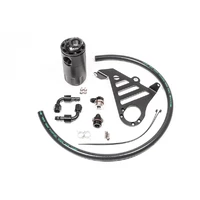
Fluid Lock PCV Catch Can Kit (Focus ST LW/LZ 11-18/Focus RS
$436.99


Add your favourites to cart

Select Afterpay at checkout

Log into or create your Afterpay account, with instant approval decision

Your purchase will be split into 4 payments, payable every 2 weeks
All you need to apply is to have a debit or credit card, to be over 18 years of age, and to be a resident of country offering Afterpay
Late fees and additional eligibility criteria apply. The first payment may be due at the time of purchase
For complete terms visit afterpay.com/terms